Certified Residential Electrician for Secure Home Wiring
A qualified home electrical professional is indispensable for maintaining safe home wiring. Their expertise ensures compliance with safety codes, substantially lowering the likelihood of electrical mishaps. These practitioners examine current electrical configurations and can uncover problems before they develop into significant difficulties. With a priority on efficiency and dependability, they function as reliable guides to homeowners. Understanding their significance and value is essential for any homeowner contemplating electrical modifications. What understanding can be gleaned about routine electrical problems and answers?
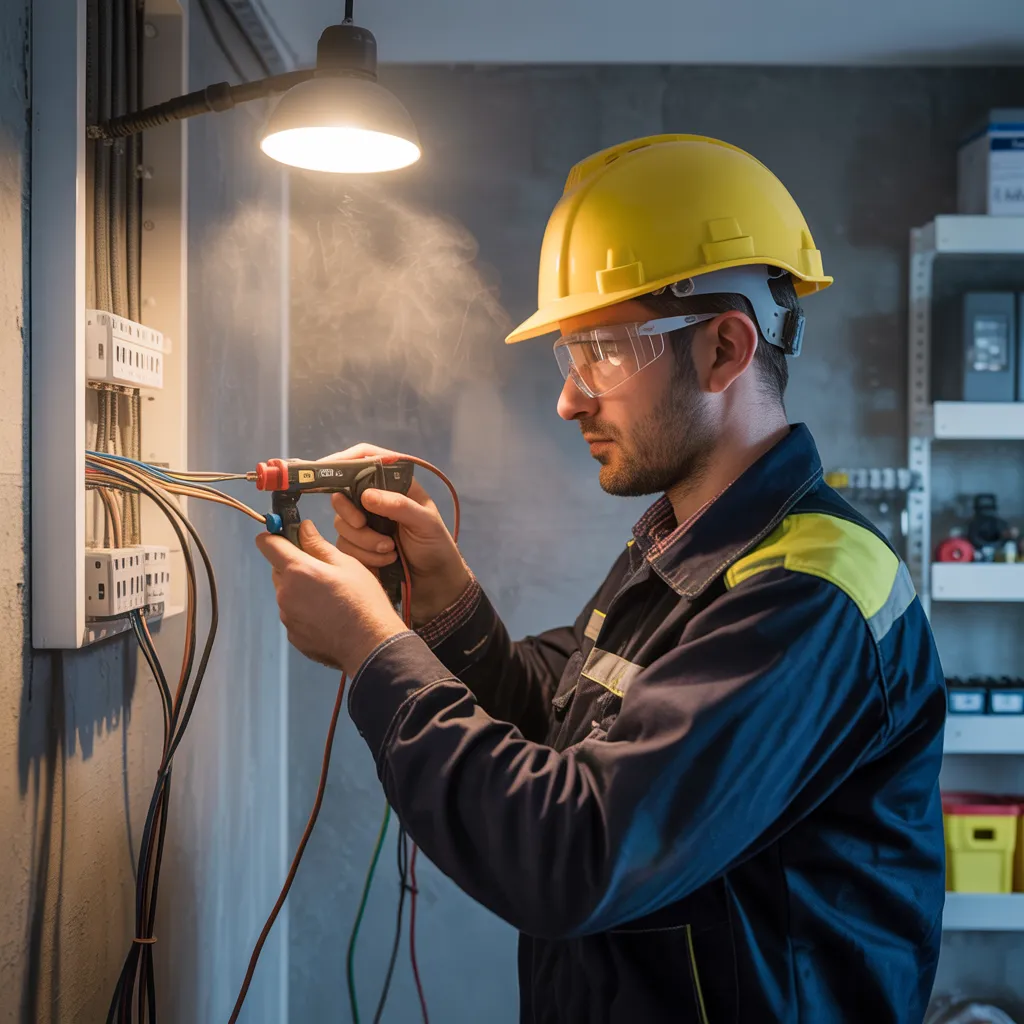
The Duties of a Certified Residential Electrical Professional
A certified residential electrician ensures the secure and smooth execution of electrical systems within properties. Their main objective involves the assembly, care, and remediation of wiring, outlets, and electrical tools. This technician assures that all work complies with local code standards and safety guidelines, reducing risks associated with electrical problems.
Beyond fundamental basic work, a certified electrician assesses existing electrical systems for potential hazards and inefficiencies, delivering solutions that improve safety and performance. They diagnose and fix issues, locate faults, and complete repairs to prevent future complications.
Moreover, these service professionals commonly coordinate with other contractors and homeowners to plan electrical layouts for new construction projects or remodels. Their expertise covers counsel on energy-efficient practices, supporting homeowners to make informed decisions related to their electrical usage. Overall, a certified residential electrician plays a crucial role in guaranteeing the reliability and safety of home electrical systems.
Main Positives of Selecting a Certified Residential Electrician
Engaging a qualified home electrician provides numerous advantages that improve both security and performance in home wiring infrastructure. First and foremost, licensed electrical professionals possess the required expertise and qualifications to comply with local codes and regulations, guaranteeing that all work satisfies safety standards. Their expertise reduces the danger of electrical dangers, such as shorts or fires, which can result from improper installations.
Furthermore, these experts have availability of advanced equipment and materials that enable them to identify and resolve issues quickly. This not only saves homeowners hours but also reduces the likelihood of recurring problems. Moreover, engaging a qualified electrical specialist can improve energy efficiency, as they can recommend ideal solutions for lighting and appliances.
In conclusion, numerous licensed electrical experts offer warranties on their work, providing reassurance and economic security. To summarize, the perks of engaging a certified residential electrician substantially improve more secure and trustworthy home electrical infrastructure.
5 Regular Electrical Difficulties You Should Not Try Fixing Yourself
While numerous homeowners may be eager to fix minor electrical issues themselves, some problems should always be left to certified professionals. Problems such as frequent trips of the circuit breaker can indicate hidden wiring issues or overloaded circuits, which need expert evaluation. Likewise, continuous flickering lights may indicate faulty wiring or poor connections that pose serious safety risks. Moreover, any signs of electrical burns or a burning smell should never be overlooked, since they can cause fires if not properly managed. Homeowners should also avoid attempting repairs on outdated or non-compliant electrical systems, as these might not meet current safety codes. Lastly, dealing with high-voltage systems or trying to install new outlets without proper knowledge can result in serious injury or damage. Hiring a certified electrician ensures both safety and compliance, safeguarding the home and its occupants from potential dangers.
Selecting the Appropriate Electrical Expert for Your Dwelling
Selecting the right electrical professional for a home requires multiple critical steps. Homeowners should verify qualifications and certifications, assess the electrical professional's knowledge and skills, and request comprehensive estimates. These actions ensure that the selected contractor meets the required standards for safety and quality.
Confirm Credentials And Certifications
A licensed electrician can make an important difference the security and operation of a home’s electrical system. To ensure that an electrician is the correct choice, verifying their licenses is essential. This involves reviewing for state licensing, which confirms that the electrician has completed the necessary educational and training standards. In addition, one should seek certifications from recognized organizations, as these often reflect a commitment to ongoing education in the field. Valid insurance is also a critical factor, protecting homeowners from potential liabilities. Asking for references can provide information into the electrician’s trustworthiness and professionalism. Taking these steps can assist homeowners choose a qualified electrician, ultimately fostering a safer living environment.
Examine Experience And Knowledge
What ways can homeowners use to ensure they hire an electrician with the appropriate experience and expertise? One solid approach is to examine the electrician's portfolio, additional information which should display previous projects and the range of services offered. Homeowners should also inquire about the number of years the electrician has been in the industry, as experience often relates to skill. Additionally, requesting references from past clients can offer insights into the electrician's dependability and quality of work. Certifications and specialized training in specific electrical systems should not be ignored, as they indicate a commitment to continuous education. Ultimately, a thorough assessment of an electrician's experience and expertise assures that homeowners can make informed decisions for their electrical needs.
Request Comprehensive Quotes
Getting thorough estimates is an essential step in hiring the best electrician for a home. Homeowners are advised to get quotes from several certified residential electricians to effectively compare services and prices. A complete estimate should detail labor, materials, and any additional charges, providing the basis for informed decisions. It is also vital to inquire about warranties or guarantees on work performed, as this reflects the electrician's confidence in their skills. Clear communication during the estimation phase also helps reveal the electrician's professionalism and commitment to addressing concerns. By thoroughly reviewing estimates, homeowners can confirm they select a qualified electrician who meets both their budget and safety requirements, contributing to a well-wired, secure living environment.
Key Stages in Your Electrical Examination Procedure
The electrical examination process comprises several critical steps to guarantee compliance and safety. Initially, a visual inspection checklist is applied to identify any obvious issues, then testing electrical components for operational capability. At the end, code compliance verification establishes that all installations meet present regulations.
Visual Review Checklist
An detailed visual inspection checklist is vital for any residential electrician to ensure the safety and functionality of electrical systems. This checklist typically includes examining the condition of wiring, ensuring it is without fraying or damage. Electricians should also check for proper grounding and bonding, ensuring all connections are stable. Circuit breakers and fuse boxes need to be inspected for signs of overheating or corrosion. Additionally, outlets and switches should be tested for correct installation and functionality, looking for any discoloration or unusual sounds. Finally, the electrician must assess the overall organization of the electrical panel and ensure all labels are legible. This organized approach helps identify potential hazards before they escalate into serious problems.
Evaluating Electrical Elements
Testing electrical components is a crucial step in making sure the protection and reliability of residential electrical systems. A certified residential electrician applies various tools and techniques to check the functionality of outlets, switches, and circuit breakers. This process often involves measuring voltage, resistance, and continuity to detect any potential issues. Regular testing helps discover faulty wiring, overloaded circuits, or defective devices that could present hazards. Furthermore, using specialized equipment, such as multimeters and circuit testers, allows electricians to determine problems precisely. By conducting detailed tests, electricians can provide homeowners with peace of mind, making sure that their electrical systems run efficiently and safely. Correct testing ultimately contributes to the longevity of the electrical infrastructure in the home.
Code Guideline Inspection
Ensuring code compliance is crucial for maintaining safety and proper functionality in residential electrical systems. Certified residential electricians apply a methodical approach during code compliance verification. Initially, they check applicable local and national electrical codes to verify all installations satisfy the required standards. Subsequently, they execute thorough inspections of wiring, outlets, and fixtures to uncover potential hazards or non-compliance problems. After finishing the assessment, they compile a comprehensive report highlighting any deficiencies and recommending corrective actions. This process may include retesting components to confirm any modifications adhere to code requirements. By adhering to these steps, electricians not only increase safety but also protect homeowners from potential legal and financial ramifications related to non-compliance.
Long-Term Safety: Upkeep Guidance From Certified Electricians
Maintaining electrical systems is essential for ongoing protection in any home environment. Certified electricians suggest periodic checks of electrical components to detect problems promptly. Homeowners should look for indicators of damage, such as frayed cords or darkened receptacles, which indicate a need for urgent action.
Moreover, they recommend conducting ground fault circuit interrupters (GFCIs) monthly to ensure they function correctly. Maintaining circuit breakers readily available and labeled can also boost safety during critical situations.
Regularly replacing smoke and carbon monoxide detector batteries is crucial, as these devices are key for early warning in case of electrical fires or issues.
Finally, property owners should avoid overloading circuits and using power strips as permanent solutions, choosing instead extra outlets installed by a qualified electrician. By following these maintenance tips, homeowners can significantly minimize electrical hazards and create a secure home space.
Common Questions Posed Often
What Skills Should I Seek in a Licensed Electrician?
When pursuing a skilled electrical specialist, one should highlight valid permits, insurance, verified background, professional development, and glowing recommendations. These standards assure professionalism, risk prevention, and respect for local electrical codes and regulations.
What Is the Average Cost of Hiring a Qualified Electrician?
Hiring a certified electrician typically falls between $50 to $100 per hour, subject to location and experience. Extra fees could be charged for materials, permits, or emergency services, shaping the overall project cost.
Are Professional Electricians Protected and Properly Licensed?
Yes, qualified electricians are normally insured and licensed. This confirms they satisfy professional requirements and regulations, offering liability coverage for both the electrician and the homeowner in case of property damage or accidents during electrical work.
Is it Possible to Perform Basic Electrical Work on My Own?
People can undertake simple electrical fixes on their own if they have adequate knowledge and skills. However, they should always place emphasis on safety and local regulations, considering professional assistance for difficult electrical work to steer clear of potential hazards.
How Frequently Should I Plan Electrical Inspections for My Home?
Property owners should arrange electrical inspections every three to five years, or sooner if they notice issues. Regular assessments help uncover hidden dangers, maintaining safety and compliance with present electrical regulations to stop costly future repairs.